
Challenges and Opportunities in Bangladesh’s Education System
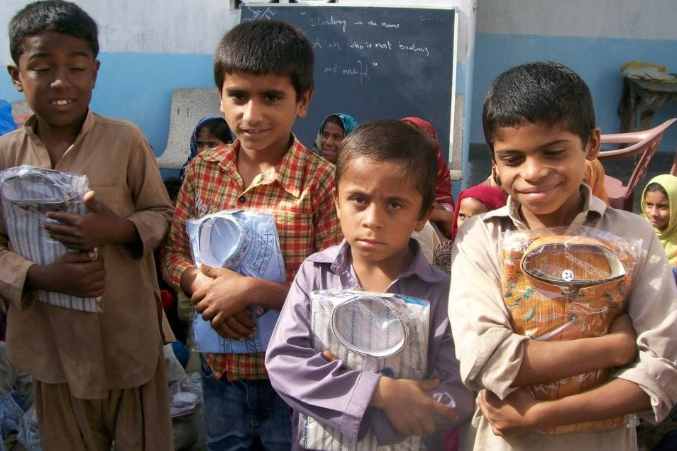
While Bangladesh has made strides in improving access to education, several challenges continue to impede progress. One major issue is the high dropout rate, particularly in secondary education, often driven by socioeconomic factors such as poverty and the need for children to contribute to household income. Additionally, many schools struggle with inadequate facilities and resources, […]
Impact of NGO Programs on Eid Celebrations for the Poor
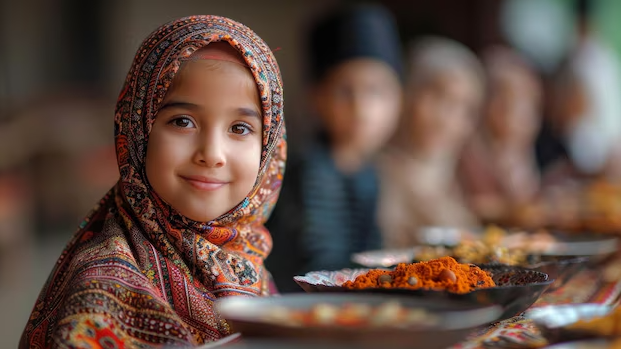
The impact of NGO programs during Eid extends beyond material assistance, significantly improving the lives of many impoverished families in Bangladesh. By providing essential goods and services, NGOs help families overcome financial burdens during a time when spending on celebrations can be overwhelming. This support allows families to participate in traditional Eid customs, such as […]
Initiatives for Eid Assistance in Bangladesh
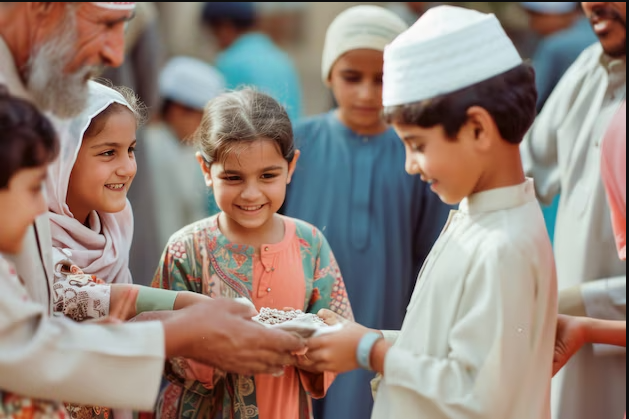
During Eid, a significant religious festival in Bangladesh, many NGOs play a crucial role in supporting impoverished communities. These organizations mobilize resources to provide essential items such as food, clothing, and financial aid to those in need. Initiatives like distributing new clothes, particularly for children, and organizing community iftar meals help ensure that even the […]
The Current State of Education in Bangladesh

Education in Bangladesh has seen significant progress over the past few decades, with notable improvements in enrollment rates and access to primary education. The government has made substantial investments in education, focusing on initiatives to increase enrollment, particularly for girls. As a result, the net enrollment rate in primary education has reached over 97%, and […]
Community Resilience and Adaptation Strategies
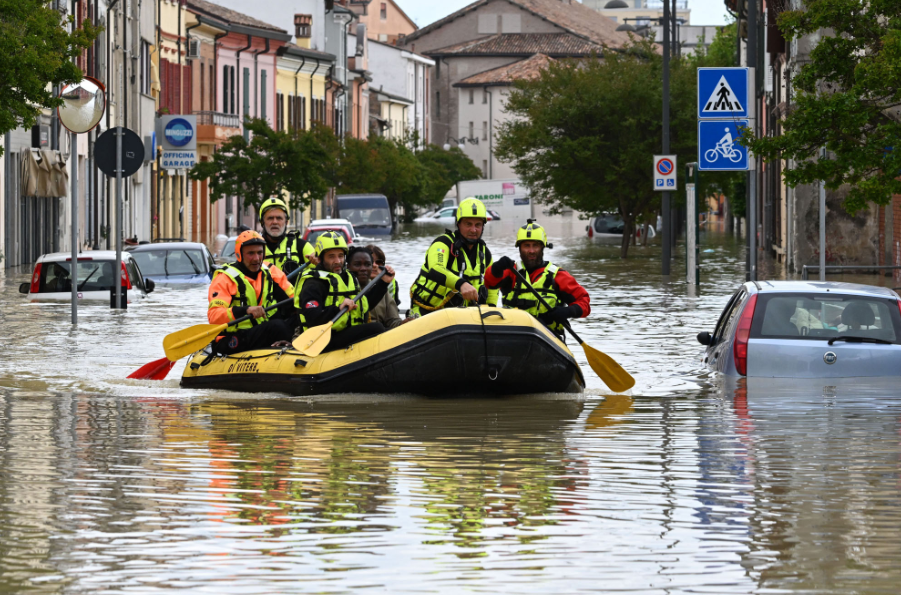
Building community resilience is essential for mitigating the impact of floods in Bangladesh. Local communities often bear the brunt of flooding, making their involvement in disaster preparedness and response critical. Training programs that educate residents about flood risks, early warning systems, and emergency response can empower communities to take proactive measures. Traditional knowledge and practices […]
Health Risks Associated with Flooding
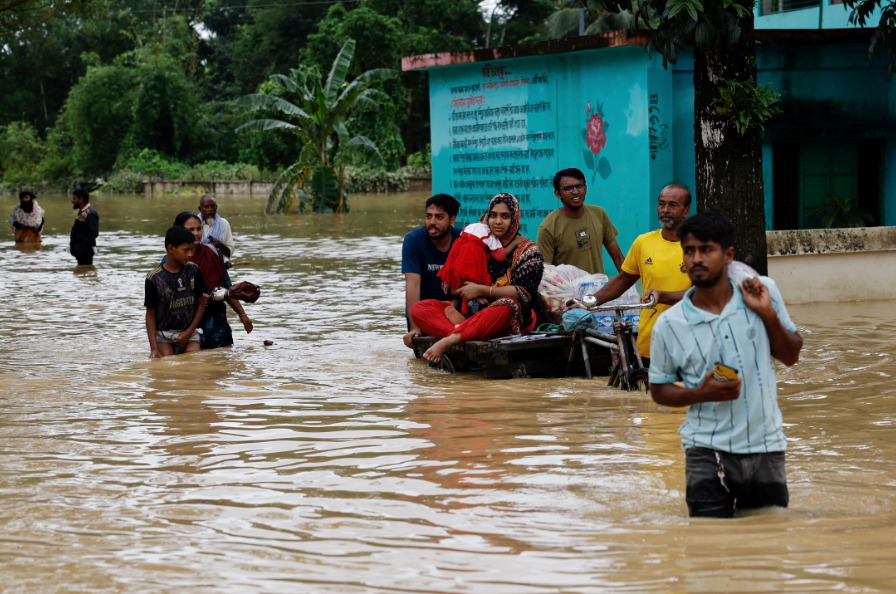
Flooding poses significant health risks to affected populations in Bangladesh. Waterborne diseases, such as cholera, dysentery, and typhoid, often spike in the aftermath of floods due to contaminated water sources. Poor sanitation and the destruction of healthcare facilities exacerbate these risks, making it challenging to provide timely medical care to those in need. In addition […]
The Socioeconomic Impact of Flooding

The socioeconomic consequences of flooding in Bangladesh are profound and far-reaching. Floods disrupt agricultural production, which is a backbone of the country’s economy. When fields are submerged, crops are destroyed, leading to food shortages and loss of income for farmers. This not only affects rural livelihoods but also impacts urban populations that rely on agriculture […]
Understanding the Causes of Flooding in Bangladesh
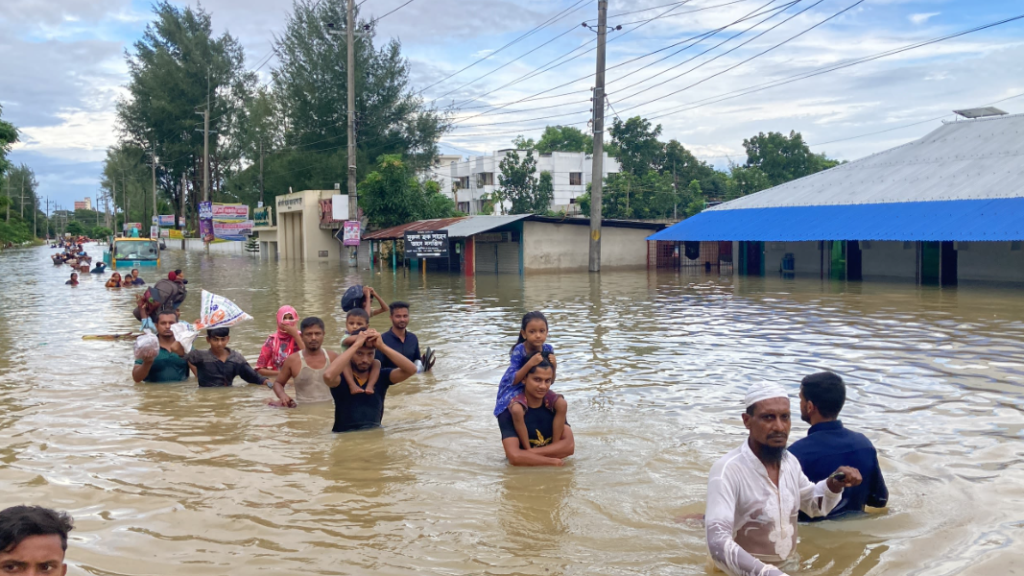
Flooding in Bangladesh is a recurring disaster, primarily driven by its geographic and climatic conditions. The country is crisscrossed by major rivers, including the Ganges, Brahmaputra, and Meghna, which swell during the monsoon season. Heavy rainfall, often exceeding 300 mm in a day, can lead to widespread inundation. Additionally, the melting of glaciers in the […]