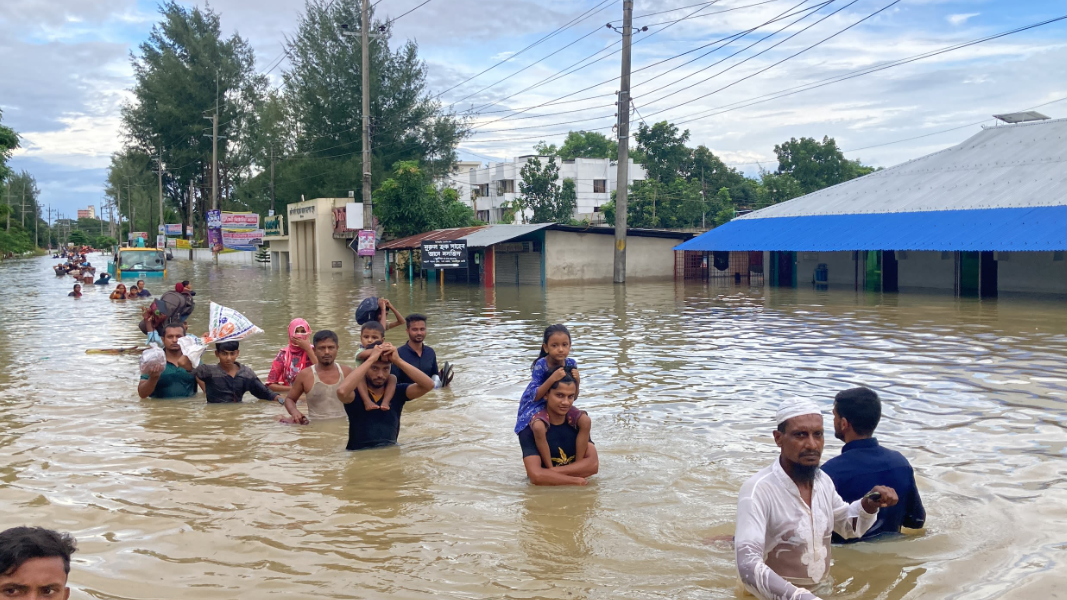
Flooding in Bangladesh is a recurring disaster, primarily driven by its geographic and climatic conditions. The country is crisscrossed by major rivers, including the Ganges, Brahmaputra, and Meghna, which swell during the monsoon season. Heavy rainfall, often exceeding 300 mm in a day, can lead to widespread inundation. Additionally, the melting of glaciers in the Himalayas during warmer months contributes to river overflow, further exacerbating the situation.
Another significant factor is the impact of climate change. Rising sea levels and erratic weather patterns are increasing the frequency and severity of floods. Coastal areas, particularly vulnerable to storm surges, experience devastating flooding that displaces communities and disrupts local economies. Urbanization and deforestation also play a role, as they reduce the land’s natural ability to absorb rainfall, leading to more severe flash floods.